

Matcha for Beginners: A Step-by-Step Starter Guide (From Whisk to Cup)
Welcome to the very first sip of your matcha journey — we’re so glad you’re here!
If you’re curious about matcha but don’t know where to start, you’re in the right place. At Mizuba Tea Co., we’ve spent over a decade sourcing matcha directly from our friends and tea farmers in Uji, Japan — and we believe that everyone deserves to enjoy truly authentic, stone-milled matcha without intimidation, gatekeeping, or complicated rules.
This guide is designed for brand new beginners — whether you’re here for the flavor, the calm-energy boost, or the ritual. Maybe you're curious because you keep seeing it on TikTok or Instagram (it's ok, we know). By the end, you’ll know exactly what matcha is, how to choose the right tea for you, how to whisk it, and how to create your very first, beautifully delicious matcha moment.
Table of Contents
- What Is Matcha?
- How to Choose the Right Matcha
- What Tools You Actually Need
- How to Make Matcha for the First Time
- How to Make Your First Matcha Latte
- Common Matcha Mistakes
- How to Store Matcha Properly
- Frequently Asked Questions
- Ready to Start Your Matcha Journey?
What Is Matcha? (And Why It’s Different)
Matcha is a finely stone-milled powder made from shade-grown Japanese green tea. Instead of steeping tea leaves and removing them, you whisk the entire leaf into water, which means you’re enjoying the full spectrum of flavor, nutrients, amino acids, and antioxidants.
Authentic matcha (like the kind we source from Uji, Shizuoka, and Yame) is:
- Shade-grown for at least 20 days and up to 50 for some of our award-winning teas
- Picked from Spring's first and second harvest (only the youngest, sweetest leaves)
- Steamed, dried, and destemmed
- Slowly stone-milled into a silky, vibrant powder
If your matcha tastes bitter or gritty, it may not have been shade-grown, milled properly, or sourced from Japan at all. Quality matters.
How to Choose the Right Matcha for You
There’s no single “best” matcha — only the matcha that resonates with your palate, your preferred preparation, and the story you want in your cup. In Japan, matcha isn’t categorized by ceremonial or culinary labels. Instead, tea is understood through terroir, cultivar, freshness, and how the tea is crafted to express its character.
Matcha Crafted for Usucha (Traditional Whisking)
These matchas are milled from especially tender, shade-grown leaves that naturally carry sweetness, round umami, and complexity. Their terroir (the soil, climate, and specific growing area) shines through the cup, and the stone-milling produces a fine, silky texture ideal for whisking.
What to expect:
- Layered and dynamic umami in its flavor profile
- Creamy and bodied mouthfeel
- Nuanced aromatics and a clean, long finish that lingers
Ideal for:
- Traditional whisking (usucha)
- A daily mindful moment
- Appreciating terroir, cultivar expression, and the craft behind each tea

Matcha Crafted for Lattes or Pairing With Ingredients
These matchas are still beautifully shade-grown and expertly milled, but the blend leans into a more robust, dynamic flavor that holds its own when combined with milk, sweeteners, or other ingredients. The character is bold enough that the tea doesn’t disappear into your recipe — it stands alongside it.
What to expect:
- A fuller, heartier green-tea backbone
- Slightly roasted or nutty undertones depending on cultivar
- A flavor that remains present in milk or baked goods — you want to taste the matcha!
Ideal for:
- Matcha lattes (iced or hot)
- Baking, desserts, and cocktails
If You're Brand-New to Matcha
Rather than choosing by label, choose by intent — how do you want to drink or taste your matcha?
- If you want to experience matcha on its own and explore its natural sweetness, aromas, and terroir, choose a matcha crafted for usucha or koicha.
- If the first thing you want to make is a cozy latte, choose a matcha blended to harmonize with milk and other ingredients.
There’s no hierarchy here. At Mizuba, we have a consistent standard of quality — we characterize our teas by flavor profile and use-case. Discovering the matcha that speaks to you is part of the joy.
What Tools Do You Actually Need?
While you don't need everything, use this as a guide to find where to start and level up from there.
The Essentials
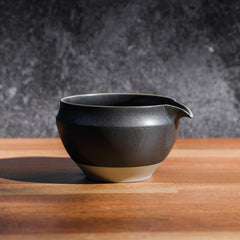
- Matcha bowl (chawan) or any wide, shallow bowl
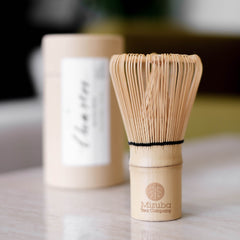
- Matcha whisk (chasen) for best results
- Scoop (chashaku) or teaspoon
- Water at 160–175 °F
- Optional: fine mesh sifter for lump-free matcha
Can You Make Matcha Without a Whisk?
Yes! Shake matcha with warm water in a mason jar or use a milk frother. It won’t produce the same silky froth as a chasen, but it works — especially for lattes. Here is a video on how this is done.

Step-By-Step: How to Make Matcha for the Very First Time
Here is the method we teach at Mizuba — simple, fuss-free, and rooted in Japanese tea traditions.
-
Warm Your Bowl
Pour a little hot water into your bowl, swirl, and discard. This helps create an even brewing temperature and keeps your matcha warm. -
Sift Your Matcha
Add 1–2 teaspoons (or two chashaku scoops) of matcha into your bowl. -
Add Water
Pour a splash of water at 160–175 °F, just enough to make a paste. If the water is too hot, matcha becomes bitter. -
Make a Paste
Use your chasen to knead out clumps into a smooth paste before whisking. -
Add More Water
For usucha: add 1–2 more ounces of hot water. For stronger tea, keep it concentrated. -
Whisk in a “W” Motion
Whisk quickly using fast W or M motions. Stop when the top becomes creamy with micro-bubbles. -
For Lattes
Pour your whisked matcha into milk.
How to Make Your First Matcha Latte (The Simple Mizuba Way)
A beginner-friendly latte formula:
- 1–2 tsp matcha
- 2 oz hot water, whisked traditionally
- 6–8 oz milk (hot or iced)
- Optional: honey or maple syrup
Pour your whisked matcha over milk and enjoy. A splash of vanilla beautifully highlights matcha’s natural sweetness. Check out our video for hot lattes and this one for iced lattes

Common Matcha Mistakes (and How to Fix Them)
“My matcha tastes bitter.”
Lower your water temperature or choose a tea suited for straight sipping.
“It’s clumpy!”
High-quality matcha is very fine and can cling from static or humidity. Try making a paste first or sift before whisking.
“It won’t foam.”
Whisk faster, use a wide bowl, and ensure your water is warm enough (160-175ºF).
“It gets dull over time.”
Store it airtight, away from light, in the refrigerator.
How to Store Matcha Properly
- Keep it in an airtight container
- Store it in the refrigerator after opening
- Use within 60–90 days for peak flavor
- Avoid humidity, heat, and strong odors
Frequently Asked Questions (Matcha Beginners Edition)
Is matcha high in caffeine?
Matcha has about 72mg per 1 teaspoon, but L-theanine creates a smoother, calmer energy curve.
Is matcha good for you?
Because you consume the whole leaf, matcha offers amino acids, antioxidants, chlorophyll, and more.
Can I drink matcha every day?
Definitely, many people enjoy a daily cup. Start with one and see how your body feels.
Ready to Start Your Matcha Journey?
Making matcha for the first time is a simple ritual that can become a meaningful daily pause. Whether you whisk it traditionally or prefer a cozy latte, what matters most is that the experience feels grounding, joyful, and yours.If you want the easiest starting point, explore some of our favorite beginner-friendly matchas:
- Daily Matcha
- Nagomi Matcha
- House Organic Matcha
- Signature Matcha - best for lattes!
Leave a comment