

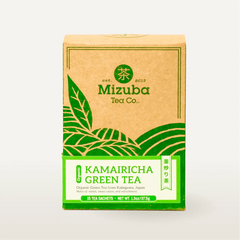


2026 Shincha Tsuyumidori
- Description
- Tasting Notes
We are thrilled to release our pick for this year's shincha!
新茶
Each year, those in the know eagerly await shincha season, and we’ve picked this lot especially for our customers.
We can't wait to share this beautiful tea with you! Enjoy the special fresh-from-the-field taste. We expect this tea to move fast, so don't wait!
What is Shincha?
Shincha is the first flush, or brand new growth of young tea leaves after winter.
Seeing all plants awaken after the cold months is often felt as a renewed celebration of life and its abundance – and seeing new tea sprouts emerge is no exception to bringing about celebratory feelings! People in Japan highly anticipate the tea's fresh and invigorating flavor.
May 2nd is commonly recognized as the first day of harvest. Of course, this date differs for each particular tea-producing region and the climate of the year. The Southern region has a warmer climate and therefore producers there may already start harvesting in late April, whereas the colder regions and tea manufacturers located higher up in the mountains may not start until perhaps mid-May. But traditionally, May 2nd is termed 'hachiju-hachiya,' or the 88th evening after the advent of spring, and points to the most ideal timing to harvest tea (especially tea intended for matcha) in the Uji, Kyoto area.
During winter the tea bushes go into hibernation. During hibernation, the bush doesn't seem active on the surface, but it is indeed very active beneath the soil. The tea plant’s roots work hard to gather nourishment to make natural sugars and starch. The plant does this to prevent the roots from freezing during the coldest of winter. Consequently, when the winter is long and especially cold, the bush has to work harder to gather more nutrients in its roots.
For this reason, regions with harsh, cold winters are preferred for tea manufacturing. The reserves of nutrients accumulated over winter imbue the tea with its nourishing and delicious appeal. When the tea bush awakens from its hibernation, the starch, sugars, and nourishment it has gathered in its roots are transferred to the branches to feed the new young buds. It goes without saying that the amount of nourishment the young buds receive is highest in the Spring because the bush has had several months to accumulate beneficial nutrients. It is for this reason that people in Japan look forward to the first harvest each year and is also why many premium quality tea manufacturers decide to only harvest once a year in spring. All those nutrients translate to excellent flavor in tea!
Want to learn more? Read our in-depth blog.
Tasting Notes:
Aroma: If you've had the pleasure of smelling a lush landscape after a rainstorm – that's it. We also smell hints of guava, fresh tomato leaves, and honeydew melon. The aroma floored our warehouse manager, who sank to his knees after smelling it because it was so amazing.
Flavor: The distinguished fresh aroma of Shincha actually comes from a specific kind of naturally occurring leaf alcohol: C6H12O which is found in fresh green tea leaves. This special leaf alcohol can be found only in Japanese green tea! The guava notes carry through in the cup, but a perfect sip of umami awaits you and its flavor will linger on your palate.
Tea Details:
Location: Tanegashima Island
Harvest Season: first flush, Spring
Cultivar: Tsuyumidori
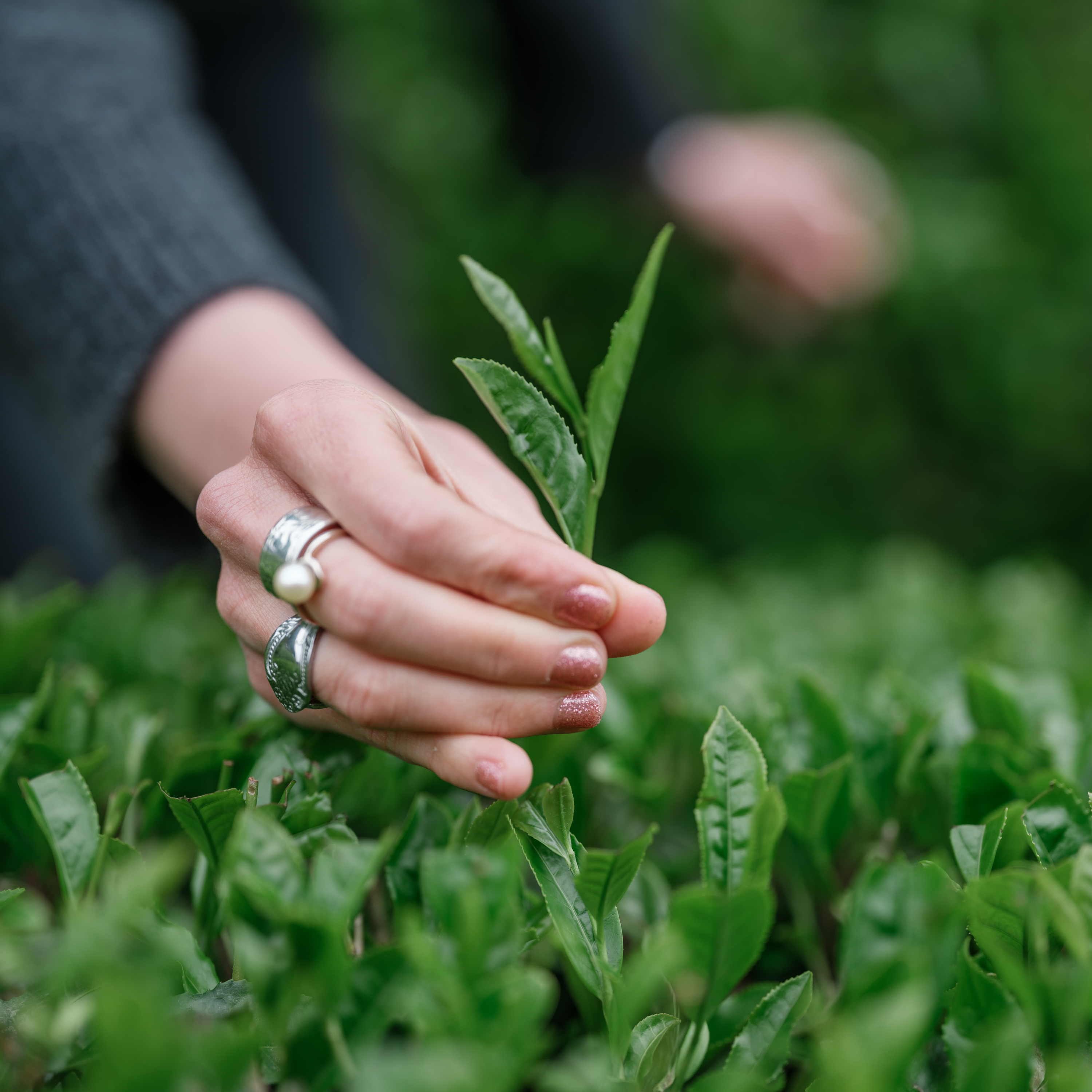
Process: Once the first flush (shincha / ichibancha) is ready to harvest in the spring, the leaves are diligently gathered — most often this will be the bud with 2 or 3 leaves of new growth. To create our sencha, the leaves are steamed (Chumushi, normal steaming), dried, cooled, rolled into shape, sorted, and then rolled a final time.
Brew Guide:
Amount: 6g (2tsp) Shincha
Water: 180ml (6oz) of 160º-175ºF water.
Time: 30 seconds - 1 minute, or up to 2 minutes depending on your preference. You may also try hotter temperatures for shorter periods of time. You'll experience a range of flavors. Using the guide above will give you a sweeter cup, while the hot water/short-time brew method will extract more vegetal notes. Experiment! Our producer notes that this particular tea reveals a super fresh flavor at higher temperatures while developing a more savory taste when brewed at lower temperatures.
Pairs Perfectly With:


Store in a cool, dark location. Best consumed within 3 months.
Brew Guide

180ml (6oz)

6g (2tsp)

170ªF

30 seconds - 1 minute, or up to 2 minutes depending on your preference. You may also try hotter temperatures for shorter periods of time. You'll experience a range of flavors. Using the guide above will give you a sweeter cup, while the hot water/short-time brew method will extract more vegetal notes.
About Tsuyumidori:
What is Shincha? 新茶
Featured post
A Guide to Harvesting Tea Leaves: An Essential Process in Japanese Green Tea
As with all processes in crafting Japanese green tea, harvesting tea leaves is an intricate skill that takes years to master. Much of the year is dedicated to the elaborate...