


Drinking Japanese green tea is not only appealing to taste — it's an experience that encompasses all of our senses. Presentation plays such a deep part in how we perceive moments in life. You can elevate how you experience tea in so many different ways. Choosing the appropriate teaware is an opportunity to appreciate the art of Japanese green tea every day.
Did you know that every tea reacts differently to different tea ware materials and shapes? We can use this to our advantage to accentuate various qualities in each tea and bring out unique characteristics.

Genmaicha in a red Tokoname Kyusu
How Teaware Affects How You Experience Tea
For centuries, tea ware has played an essential role in enjoying Japanese green tea. Tea ware and preparation determine the balance between flavor and aroma. Whether you prefer intense aroma and subtle flavor, vice versa, or somewhere in between, using appropriate tea ware will allow you to experience the brew you desire.
The material, size, shape, and thickness of the vessel your tea is brewed and served in determine the different aromas and nuances you’ll experience with each cup. For example, brewing gyokuro for the same amount of time with the same amount of water will yield dramatically different results in a glass teapot versus a tokoname shiboridashi.
Traditional Japanese Teaware
There are many styles of traditional Japanese teaware that bring out desired nuances in various styles of tea. Choosing different materials, shapes and colors is somewhat up to personal preference, but understanding which materials complement tea styles can help elevate how you experience tea.

Common Materials
Many traditional Japanese tea cups and tea pots are crafted with ceramic materials, glass, and iron. Ceramic materials like unglazed earthenware are perfect for bringing out mellow flavors in green tea. In Japan, tokoname clay is cherished for its rich iron quality and ability to absorb aromatics and tea oils. Over time, tea vessels made with the region’s clay become effectively “seasoned” just like cast-iron pans, further enhancing the flavor of each brew.
Porcelain is another popular ceramic material featured in many traditional Japanese teaware. It naturally holds temperature well and can be warmed before brewing to maintain stable and consistent temperatures. Unlike clay, porcelain is non-porous, meaning you won’t experience tea enhanced with flavor over time. Porcelain’s lack of porosity makes it perfect to enjoy a satisfying waft of aroma and the original taste of each tea you brew.
Heat-resistant glass and cast iron are also often used in traditional Japanese teaware. Since the walls of glass brewing vessels are much thinner, boiling water cools very quickly, making it perfect for extracting sweet and vegetal notes from tea without over-steeping. Cast iron kettles or tetsubin hold heat for a longer time and are great for larger brews. Water boiled in a tetsubin is seen as a dietary source because iron is released into the water as it boils.
Shapes and Sizes
It may be surprising, but the shape and size of your teaware play a significant part in how you experience tea. Let’s take tea pots, for example. Tea leaves need enough space to expand, and water needs enough space to extract flavor to brew your best cup.
Much of the potency can be lost when brewing tea in restrictive spaces. The key to an ideal brew is consistent extraction from each tea leaf. A vessel with a bowl shape or circular design that allows leaves to expand freely and infuse evenly is your best option.
When it comes to tea cups, different designs bring out the dimension and body of multiple tea styles. There are tea cups for particular teas, everyday use, special occasions, and even different seasons. The shape and size of a tea cup can determine how long your tea stays warm, the aromatics you experience with each sip, and how quickly you consume your tea.


Even the thickness of your tea cup matters. If you want to fully embrace the aroma of your favorite tea, sipping from a thin cup encourages aeration, allowing more steam to be directed to your nose. You can further enhance this experience by using a wider cup. Wide cups are also perfect for the summer as they allow tea to cool faster.
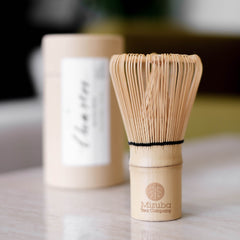
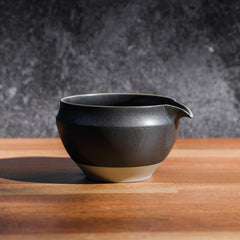
Special tea cups like chawan are designed for enjoying matcha. Chawan are crafted with a high level of intention. The perfect chawan will have high walls for mixing without a splash, an ample base or “floor” of the bowl to allow space for whisking, and the perfect curve for sipping without a spill.
You can also elevate how you experience tea throughout the year. At Mizuba Co., we have a chawan for every season! Each is designed with the perfect aesthetic and functionality for its designated time of year.

Color and Aesthetic
Presentation sets the scene for how we perceive and enjoy moments. Choosing teaware that complements your style and makes you feel good only further enhances how you experience tea. Maybe you love admiring the beautiful dark green hues of a freshly brewed gyokuro while you sip. A porcelain tea cup with white or light neutral colors is a great choice to fully appreciate the natural color of your brew.
Proper teaware also showcases beauty in design. Much of the best teaware is hand-crafted with intention. Some teaware is elaborately decorated while others are simple. Some even change and become more beautiful as they age. Picking the teaware that feels right for you makes every sip as appealing as the first.
Get the Most out of Your Tea Experience
Getting the most out of your tea experience means brewing with objects you feel connected to. The deliberate intentions you set when enjoying tea should lead you to a calming place where you can enjoy every sip. As you choose the pieces you love the most, your tea ritual won't feel the same without them.
Looking for new teaware to enhance your tea moments? Check out our selection of beautiful hand-crafted teaware and tea tools.
By Mariah Bourne
Leave a comment