Artwork of traditional stone matcha mill - Mizuba Tea Co.
This site has limited support for your browser. We recommend switching to Edge, Chrome, Safari, or Firefox.
Congratulations! Your order qualifies for free shipping You are 85 NIS away from free shipping

Cart 0

Congratulations! Your order qualifies for free shipping You are 85 NIS away from free shipping.
No more products available for purchase

Products
Pair with
Is this a gift?
Subtotal Free
Shipping, taxes, and discount codes are calculated at checkout
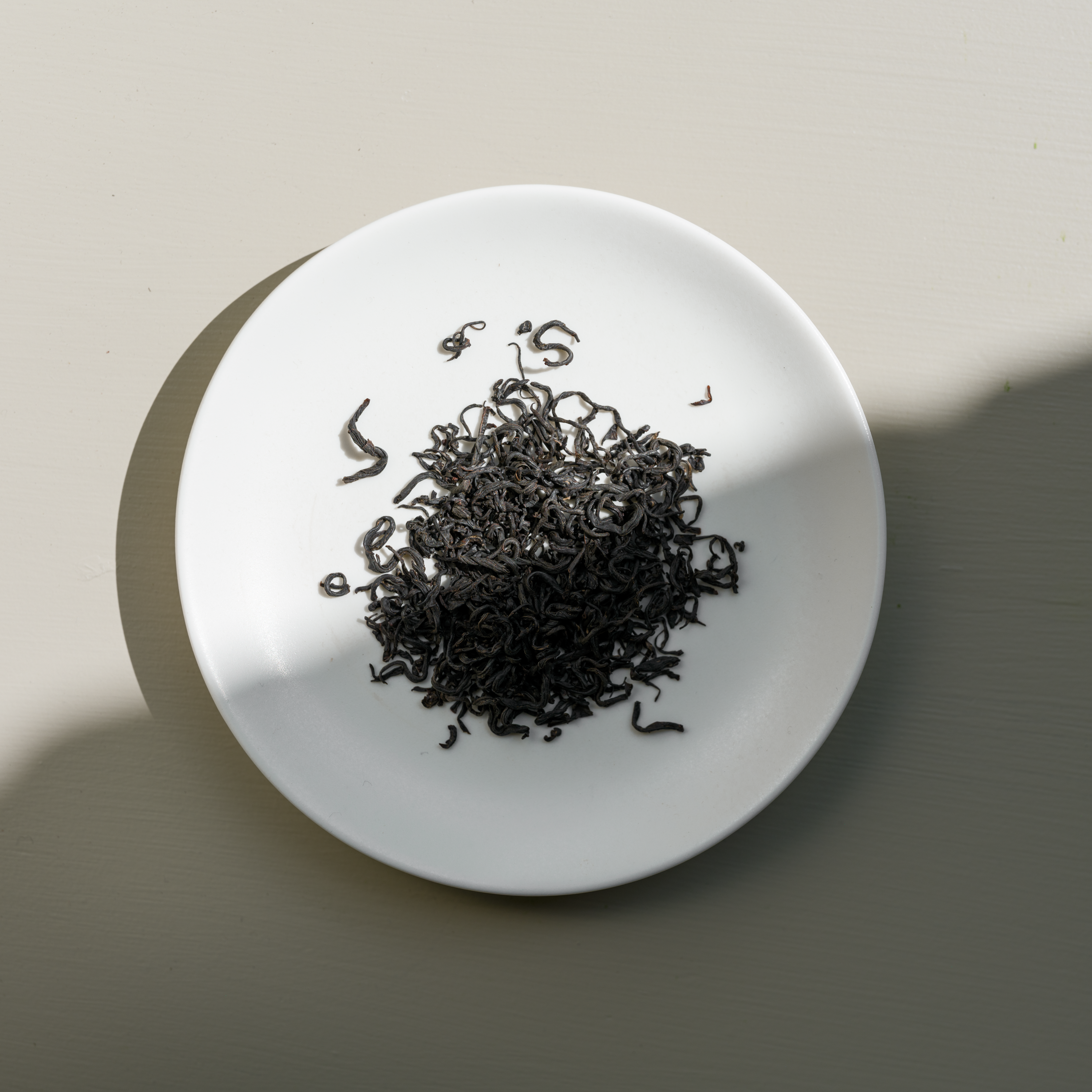
Japanese Wakoucha Shincha Black tea leaves on a white plate with a neutral background
Hand holding a glass of wakoucha Japanese black tea against a blurred green background
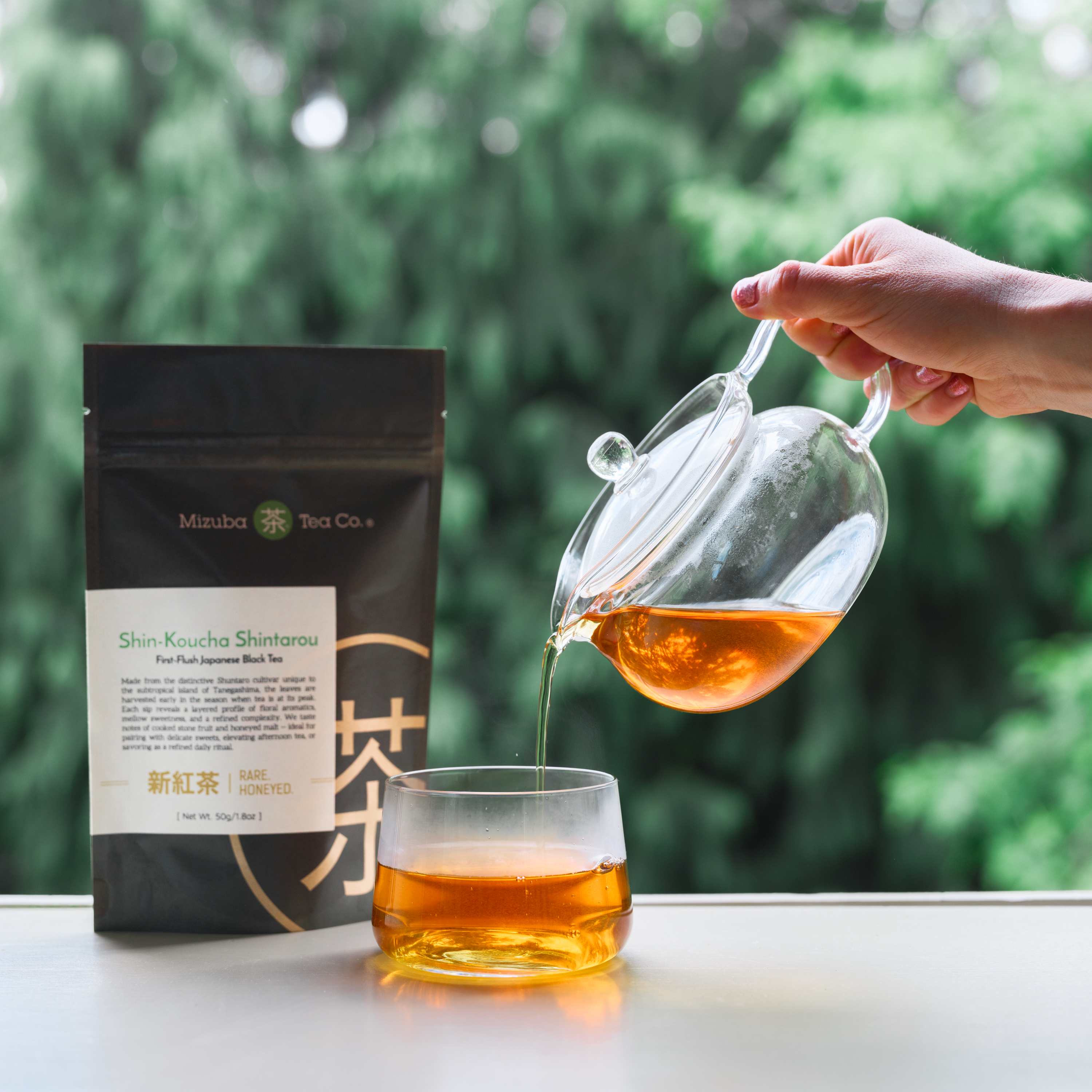
Person pouring Japanese tea from a glass teapot into a glass with a Mizuba Tea Co. Shincha package in the background.
Glass teapot pouring tea into a glass with a blurred green background
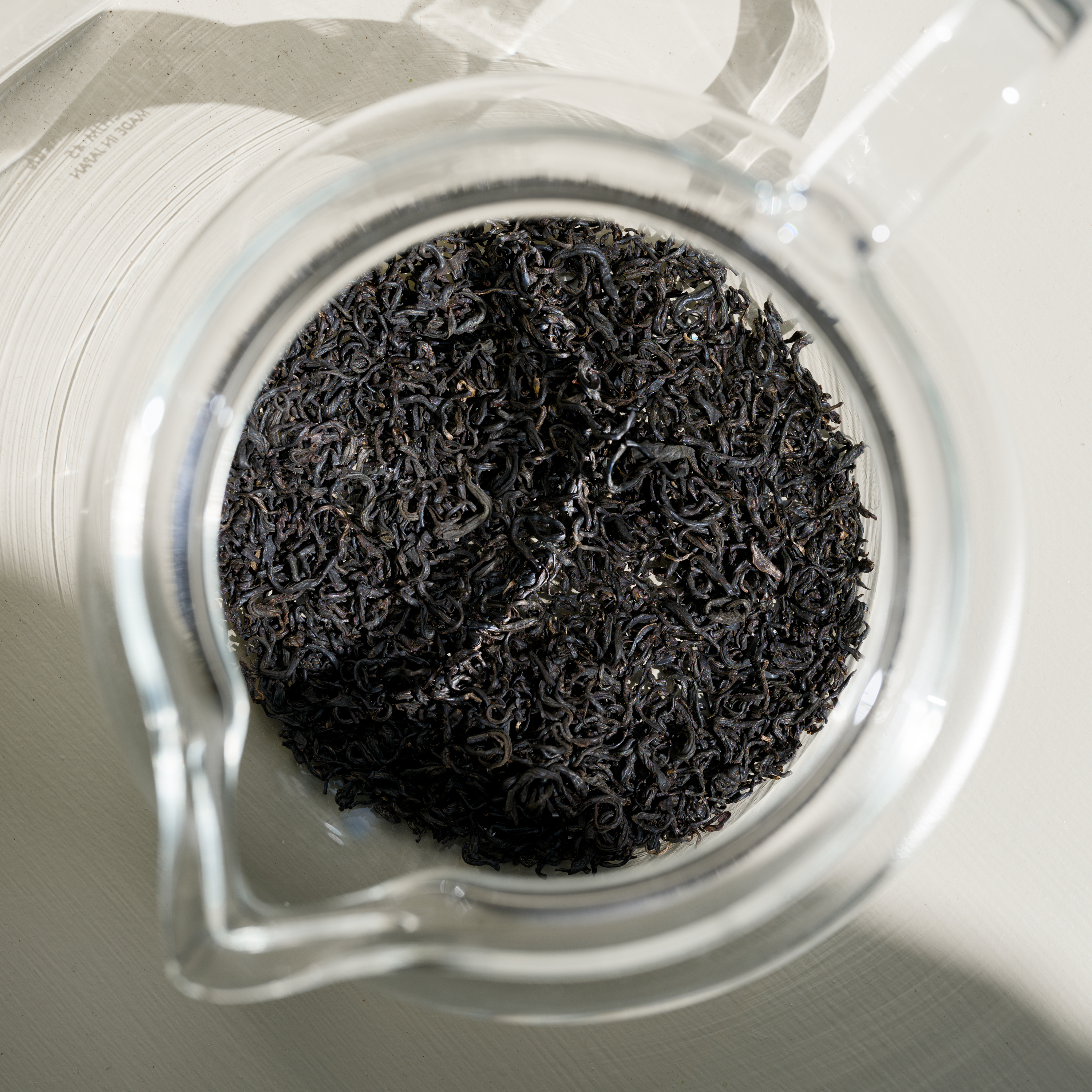
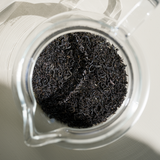
Close-up of Japanese black shincha tea leaves in a glass jar on a white background
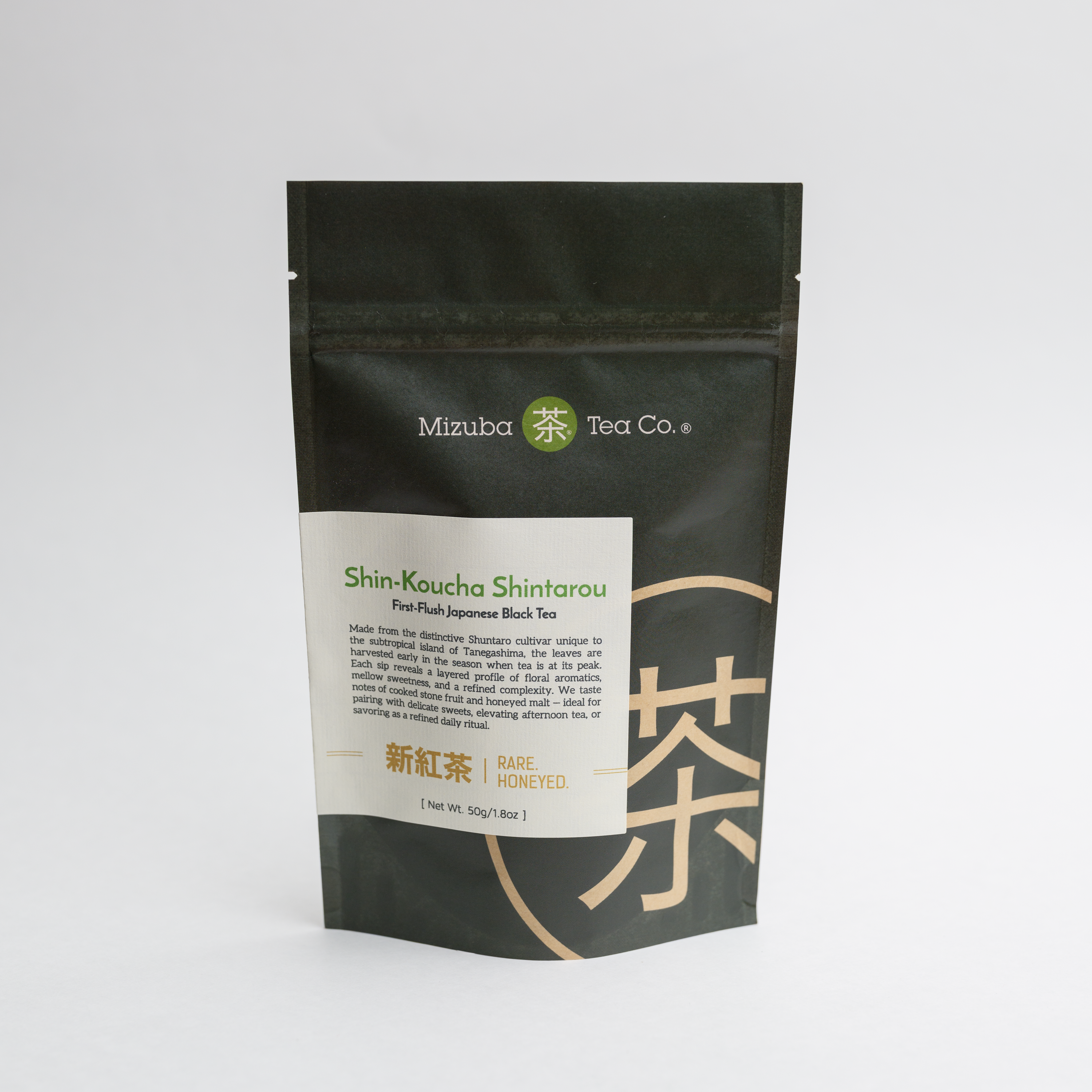
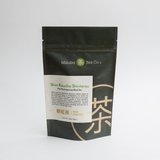
Tea package from Mizuba Tea Co. on a white background

2026 Shin-Koucha Shuntarou Shincha

60.00 NIS
Size50g

We are proud to release this year's shincha, the freshest tea you can taste –  but this offering is a twist! Shin-koucha refers to "new black tea" and our friends on Tanegashima Island have mastered harnessing shincha's lively flavors into a smooth, honeyed brew. There's nothing else like Japan's unique take on black tea (wakoucha). This tea is *highly* limited – act fast on this can't-miss cup. 

Aroma: warm baking spices. This tea would pair excellently with cinnamon cookies.

Flavor profile: A perfect sip of deeply smooth, honey-like, and toffee tones. The flavor will linger on your palate for a long finish.


Artwork of Yellow Mug of Tea – Mizuba Tea Co.

Store in a cool, dark location. Best consumed within 3 months.

[{"variant_id":"50234500022584" , "metafield_value":""},{"variant_id":"50234500055352" , "metafield_value":""}]

2026 Shin-Koucha Shuntarou Shincha

60.00 NIS

Brew Guide

180ml (6oz)

matcha leaf icon

7g

175ºF

2 minutes

About the tea:

Tanegashima (種子島): An island located in Kagoshima Prefecture, Japan, known for its early tea harvests due to its warm climate. This shincha was one of the first to land this year!

Shuntarou (俊太郎): The name of the tea cultivar used. Shuntarou is a rare and distinctive cultivar cultivated on Tanegashima Island. Our tea is notable for its unique flavor profile, which includes fresh floral notes, a comforting sweetness, and a complex aroma. The style is often compared to high-quality English and Chinese black teas due to its exceptional taste and craftsmanship.

What is Shincha? 新茶

Shincha is the first flush, or brand new growth of young tea leaves after winter.
Seeing all plants awaken after the cold months is often felt as a renewed celebration of life and its abundance – and seeing new tea sprouts emerge is no exception to bringing about celebratory feelings! People in Japan highly anticipate the tea's fresh and invigorating flavor.

May 2nd is commonly recognized as the first day of harvest. Of course, this date differs for each particular tea-producing region and climate of the year. The Southern region has a warmer climate and therefore producers there may already start harvesting in late April, whereas the colder regions and tea manufacturers located higher up in the mountains may not start until perhaps mid-May. But traditionally, May 2nd is termed 'hachiju-hachiya,' or the 88th evening after the advent of spring, and points to the most ideal timing to harvest tea (especially tea intended for matcha) in the Uji, Kyoto area.

During winter the tea bushes, hibernate. The bush doesn't seem active on the surface, but it is indeed very active beneath the soil. The tea plant’s roots work hard to gather nourishment to make natural sugars and starch. The plant does this to prevent the roots from freezing during the cold winter. Consequently, when winter is long and especially cold, the bush has to work harder to gather more nutrients in its roots.

For this reason, regions with harsh, cold winters are preferred for tea manufacturing. The reserves of nutrients accumulated over winter imbue the tea with its nourishing and delicious appeal. When the tea bush awakens from its hibernation, the starch, sugars, and nourishment it has gathered in its roots are transferred to the branches to feed the new young buds. The amount of nourishment the young buds receive is highest in the Spring because the bush has had several months to accumulate beneficial nutrients. It is for this reason that people in Japan look forward to the first harvest each year and it is also why many premium quality tea manufacturers decide to only harvest once a year in spring. All those nutrients translate to excellent flavor in tea!